

-
Call
+91 8007730004
-
Email - India
-
Email - Global
VACUUM DEAERATOR
VACUUM DEAERATOR
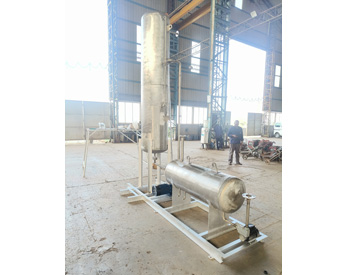
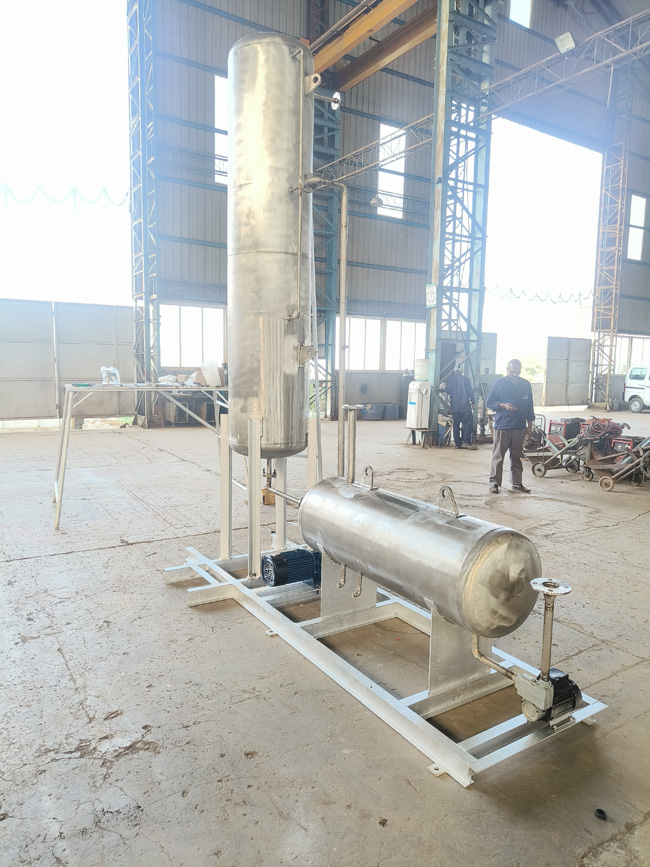
vacuum deaerator
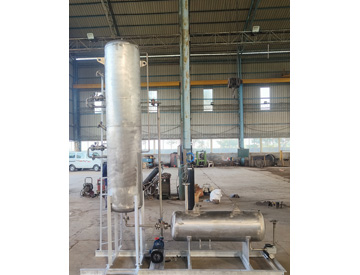
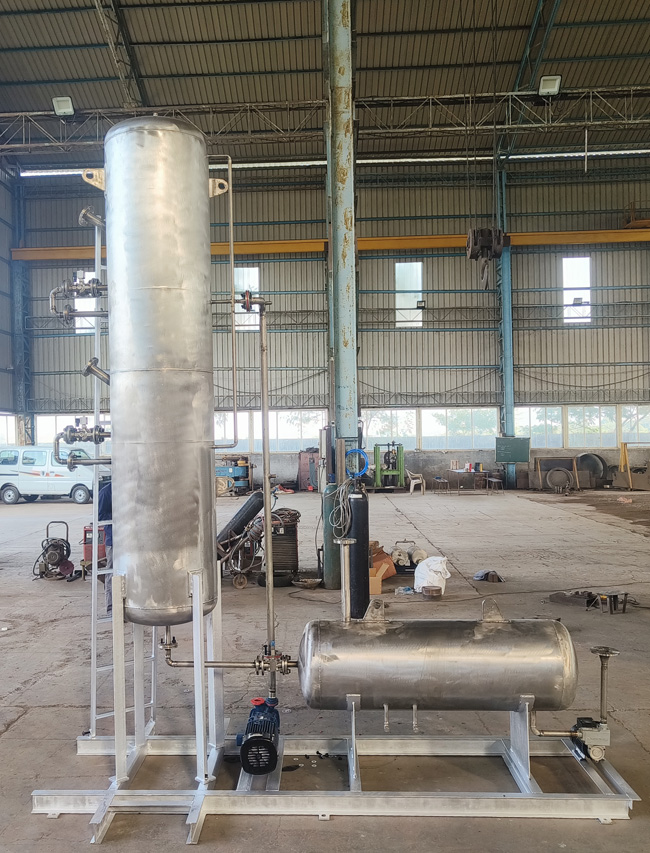
vacuum deaerator
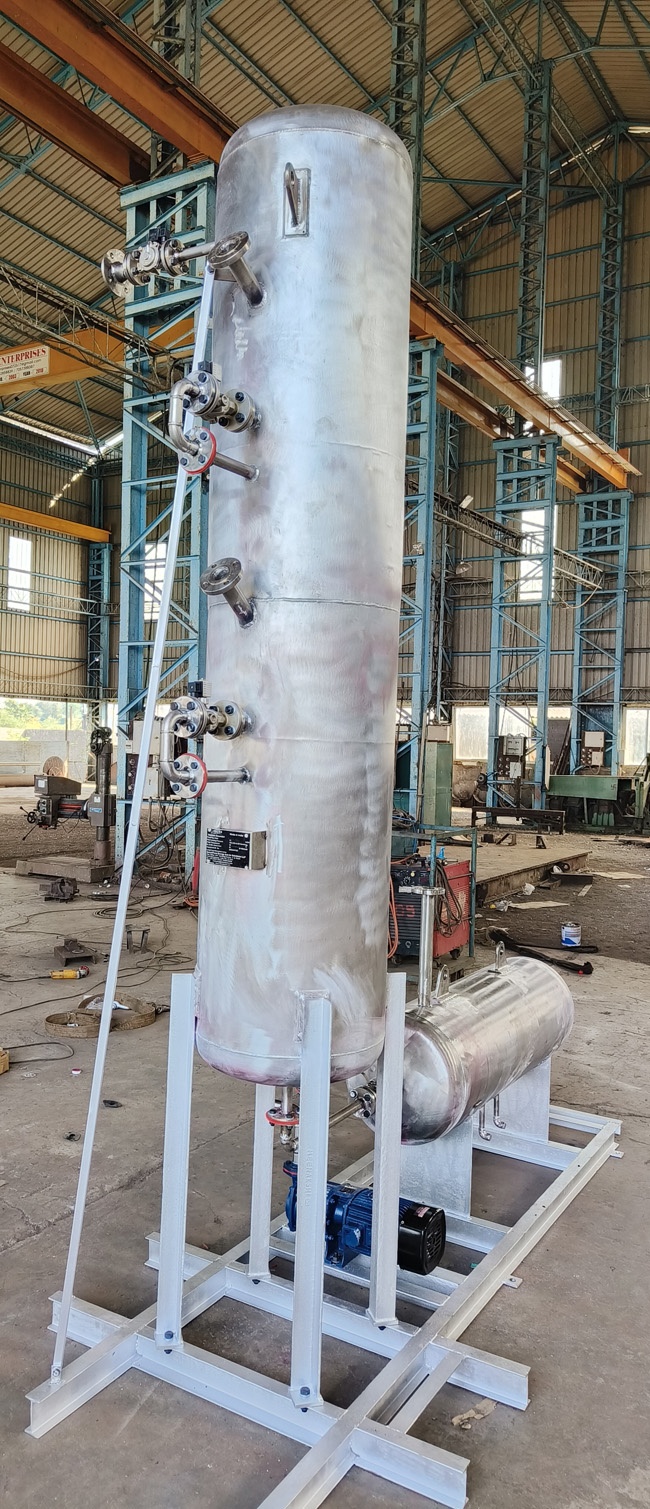
vacuum deaerator
VACUUM DEAERATOR
A vacuum deaerator is a device used to remove dissolved gases, primarily oxygen and carbon dioxide, from water or other liquids. It operates under vacuum conditions, which helps to lower the pressure and reduce the boiling point of water, enabling the removal of these gases more efficiently.
A vacuum deaerator works by using both reduced pressure (vacuum) and increased temperature to remove dissolved gases from water. Incoming water is sprayed into a vessel, where a vacuum is created by pumps or steam jets. This low pressure lowers the water's boiling point, causing the dissolved gases to come out of solution and be vented away. The process is also supported by heating the water, which further reduces gas solubility, and by using packing materials or spray nozzles to increase the water's surface area for efficient gas release.
How it works:
ENCONPUNE Air Solution designs and manufactures high-efficiency Vacuum Deaerating Systems engineered to effectively remove dissolved gases primarily oxygen from water, ensuring improved process performance, reduced corrosion, and extended equipment life.
Our Vacuum Deaerating Systemare designed for a capacity of 100 LPH to 30 TPH and is constructed using high-quality stainless steel (SS) for all wetted parts, ensuring durability, corrosion resistance, and long service life in continuous industrial operation.
Typical Dissolved Oxygen (DO) Levels:
| System Type | Typical Achieved DO Level |
| Standard Vacuum Deaerator (industrial) | < 0.2 mg/L (ppm) or 200 ppb |
| Advanced Single-Stage Vacuum Systems (e.g., in beverage processing) | 0.3 to 0.5 mg/L (300-500 ppb) |
| High-Efficiency Vacuum Degasifiers (multi-stage) | As low as 50 ppb (µg/L) |
| Vacuum Deaerator with Supplemental Chemical Scavengers (e.g., boiler feedwater) | 7 ppb (µg/L) or less |
Key Application Areas:
Water Treatment & Power Generation:Removes O2, Co2 from boiler feedwater to prevent corrosion, scaling, and plugging in heating plants and power systems, improving efficiency.
Food & Beverage:
Removes air from juices (orange), dairy, sauces (mayonnaise), and baby foods to prevent rancidity, discoloration, and improve shelf life/packaging.
Pharmaceuticals & Cosmetics:
Removes air from creams, ointments, syrups, lotions, and toothpaste to ensure dosing accuracy, stability, and prevent spoilage.
Chemicals & Petrochemicals:
Used for paints, varnishes, glues, detergents, and pastes to improve consistency, prevent oxidation, and enhance product performance.
Oil & Gas:
Removes oxygen from injection water (seawater) in enhanced oil recovery (EOR) to prevent bacterial growth and corrosion, also used in mining (Merrill Crowe process).
Powder Processing (Roll Compaction):
Removes air from fine powders (>35% air) during compaction (e.g., for tablets, briquettes) to form denser, more efficient compacts
Nuclear Power Plants and Reactors :
Oxygen and other dissolved gases are not at all allowed and hence vacuum Deaeration is required in Nuclear and other related plants.
The vacuum deaerator is one of several types of deaerators, with others including mechanical or thermal deaerators, each having specific advantages depending on the application.